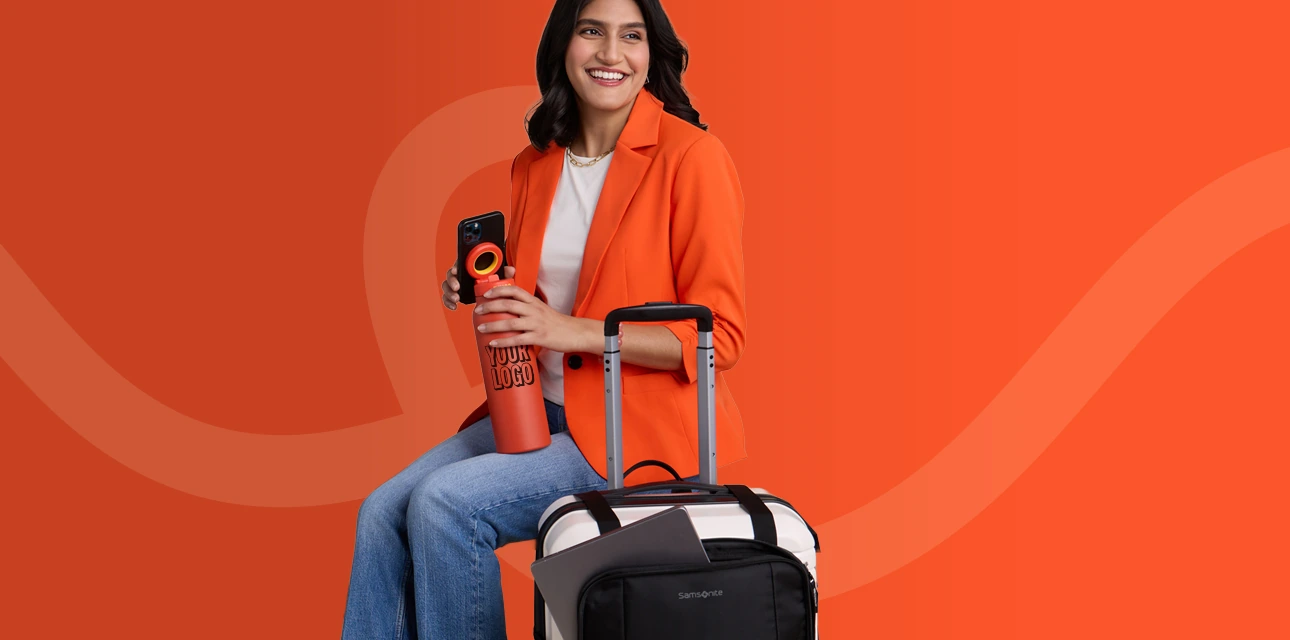
Personalized Executive Gifts: How Customization Elevates High-End Corporate Gifting
Customization elevates high-end corporate gifting by adding three strategic layers: recipient personalization based on lifestyle, subtle company branding, and occasion-specific messaging. PPAI research indicates that customized luxury items achieve 76% higher long-term retention than generic gifts, transforming personalized executive gifts into lasting relationship-building touchpoints.
The sections below break down each layer of effective executive gift strategy, from personalization frameworks and brand alignment to product selection, branding philosophy, and the mistakes that quietly undermine even generous gifting budgets.
Key Takeaways
- Customized luxury gifts achieve 76% higher long-term retention than generic alternatives, per PPAI research, making personalization a measurable investment, not a cosmetic upgrade.
- Personalized executive recognition increases engagement by 48%, according to Incentive Research Foundation data, when gifts reflect the recipient's specific milestones and professional context.
- Tech accessories generate 1,400 lifetime brand impressions per item, per ASI research, making premium wireless devices among the highest-utility executive gift categories available.
- 82% of corporate executives actively use high-end gifts with understated branding, per Promo Marketing research, while oversized logo treatments significantly reduce usage and retention.
- Executive gifts lacking personal relevance fail to produce positive brand associations in 73% of recipients, per Counselor Magazine findings, underscoring the cost of generic selection.
- Material quality signals corporate integrity: PPAI benchmarks confirm that recipients judge a company's values based on the craftsmanship of the gifts it sends.
How do three-tier personalization strategies transform executive gifts?
Three-tier personalization transforms executive gifts by combining individual recipient interests, refined corporate branding, and specific milestone context. Rather than distributing mass-produced merchandise, tailoring items to an executive's travel habits, office routines, or professional achievements ensures daily utility. Incentive Research Foundation data shows personalized recognition increases executive engagement by 48%.
The three tiers work as a sequence. First, research the recipient: identify their role, known preferences, and any recent professional milestones. Second, select a product category that naturally fits their daily environment. Third, layer in occasion-specific messaging, whether a promotion, a deal close, or a tenure anniversary, so the gift carries explicit meaning beyond the object itself.
This approach shifts luxury executive gifts from transactional gestures to documented recognition moments. Executives who receive gifts tied to a specific achievement remember both the milestone and the company behind the acknowledgment, producing brand associations that generic gifting simply cannot replicate.
How do custom logo gifts reflect and reinforce corporate brand values?
Custom logo gifts reinforce corporate brand values by aligning product materials and craftsmanship with core positioning. Sustainable brands select eco-friendly bamboo goods, while innovation-driven firms customize high-end tech accessories. PPAI benchmarks confirm that recipients associate product quality directly with corporate integrity, making material alignment critical for executive credibility.
The logic is straightforward: an executive receiving a flimsy product from a company that positions itself as a premium partner will notice the contradiction. Every material choice, from leather grain to metal weight to packaging texture, communicates something about the sender's standards.
- Premium tech firms: brushed aluminum wireless chargers, engraved with a tonal logo
- Sustainability-focused brands: FSC-certified bamboo desk sets or recycled-material journals
- Financial and legal services: weighted crystal or heavy-gauge stainless drinkware with debossed branding
- Healthcare and wellness companies: curated self-care kits in clean, minimal packaging
Each pairing reinforces what the company already says about itself. The gift becomes a physical proof point, not just a courtesy.
Which luxury merchandise categories deliver the highest executive utility?
The merchandise categories delivering the highest executive utility are premium wireless tech devices, laser-engraved crystal drinkware, and curated wellness sets. ASI research shows tech items generate 1,400 lifetime brand impressions, while prestige drinkware and self-care packages bridge professional and home environments to maintain persistent daily brand visibility.
Executives move between boardrooms, home offices, and travel environments. The most effective gift categories follow that mobility. A high-quality wireless charging pad sits on a desk eight hours a day. An engraved insulated tumbler travels to meetings and airports. A wellness kit appears at home, extending brand presence beyond the workplace entirely.
Explore premium executive tech and engraved corporate drinkware for product lines built around these high-utility categories. Both collections offer customization options suited to understated executive aesthetics, with material grades appropriate for C-suite and senior director audiences.
Does subtle personalization outperform prominent corporate branding on executive gifts?
Yes. Subtle personalization significantly outperforms prominent corporate branding on executive gifts. Premium recipients strongly prefer tasteful laser engraving, debossed monograms, or discreet tone-on-tone logos over loud promotional graphics. Promo Marketing research indicates that 82% of corporate executives actively use high-end gifts displaying understated, elegant branding compared to oversized logo treatments.
The behavioral reason is straightforward: executives will not carry or display items that read as walking advertisements. An oversized screen-printed logo on a premium bag signals that the gift was chosen for brand exposure, not recipient experience. That read undermines the relationship-building intent entirely.
Understated techniques that consistently perform well with executive recipients include:
- Laser engraving on metal or glass surfaces
- Debossed or blind-embossed logos on leather goods
- Tone-on-tone woven or printed branding on apparel and bags
- Recipient monogram paired with a small company mark, rather than a dominant logo
The gift should feel chosen for the person. The brand recognition follows naturally from quality and context, not from logo size.
What mistakes diminish the impact of high-end corporate gifting campaigns?
The most damaging mistakes in high-end corporate gifting campaigns are selecting generic one-size-fits-all products, ignoring recipient lifestyle preferences, using poor-quality packaging, and applying aggressive corporate logos. Counselor Magazine findings reveal that executive gifts lacking personal relevance or presenting cheap unboxing experiences fail to produce positive brand associations in 73% of recipients.
Packaging deserves particular attention. An executive receiving a premium item wrapped in thin tissue inside a flimsy mailer immediately calibrates expectations downward before the product is even visible. The unboxing experience is part of the gift. Rigid boxes, magnetic closures, and weighted paper all communicate care before the item is touched.
Additional mistakes that quietly erode campaign ROI:
- Selecting products based on unit cost rather than recipient fit
- Skipping sample review before bulk ordering
- Sending the same item to every executive tier regardless of seniority
- Failing to include a handwritten or personalized card with occasion-specific messaging
Each of these errors signals that the gift was purchased efficiently rather than thoughtfully, which is the opposite of the message high-end corporate gifting is meant to send.
Frequently Asked Questions
How do three-tier personalization strategies transform executive gifts?
Three-tier personalization transforms executive gifts by layering individual recipient interests, corporate brand alignment, and milestone-specific messaging onto a single item. This approach shifts gifts from generic gestures to documented recognition moments. Incentive Research Foundation data shows personalized recognition increases executive engagement by 48%, making the framework a measurable performance strategy.
How do custom logo gifts reflect and reinforce corporate brand values?
Custom logo gifts reinforce brand values when the product's materials and craftsmanship match the company's positioning. A sustainability-led firm sends bamboo goods; a premium tech brand sends brushed-aluminum accessories. PPAI benchmarks confirm that executives associate gift quality with corporate integrity, so material choices carry direct brand-perception consequences.
Which luxury merchandise categories deliver the highest executive utility?
Premium wireless tech devices, laser-engraved drinkware, and curated wellness sets deliver the highest executive utility. ASI research confirms tech items generate 1,400 lifetime brand impressions per product. Drinkware and wellness packages cross professional and home environments, extending brand visibility well beyond the office setting and creating persistent daily contact.
Does subtle personalization outperform prominent corporate branding on executive gifts?
Subtle personalization consistently outperforms prominent branding with executive recipients. Techniques like laser engraving, debossed monograms, and tone-on-tone logos signal that the gift was chosen for the person rather than for exposure. Promo Marketing research shows 82% of executives actively use gifts with understated branding, versus far lower usage rates for oversized logo treatments.
What mistakes diminish the impact of high-end corporate gifting campaigns?
Generic product selection, poor packaging, prominent logos, and missing occasion-specific messaging are the most common mistakes. Counselor Magazine findings show that 73% of executives fail to form positive brand associations when gifts lack personal relevance or arrive with a cheap unboxing experience. Sampling products before bulk orders and tiering gifts by seniority also reduce avoidable errors.
Ready to build a corporate gifting program that executives will actually use and remember? Browse our luxury executive gifts to find premium, customizable options built for high-stakes relationship moments.
We are the Brand Love, Built Better, Together™ company.
